

If you’ve been thinking about putting solar on your home, you’ve probably heard plenty of reasons to wait.
Maybe you’re waiting for solar prices to come down. Maybe you’re waiting until you have more money saved. Or maybe you’re simply not ready to make a decision yet. But there’s a new reason to consider moving sooner rather than later: the cost of some imported solar equipment is expected to increase beginning December 4, 2026.
For homeowners throughout Kansas and Missouri, that means one thing is worth keeping in mind:
If solar is already on your list, 2026 may be a good time to get your project priced and started.
What’s changing in December?
On August 6, 2026, the federal government announced new trade measures affecting imported polysilicon and products made from it. Polysilicon is an important raw material used to manufacture solar cells and panels.
Beginning December 4, imported solar cells and modules covered by the new rules will be subject to minimum import prices. The new policy also adds a 15% tariff on covered polysilicon derivatives. The policy is intended to encourage more domestic production of solar materials and strengthen the U.S. solar supply chain. That’s the policy side of the story.
For homeowners, the more practical question is:
What does this mean for the price of a solar system?
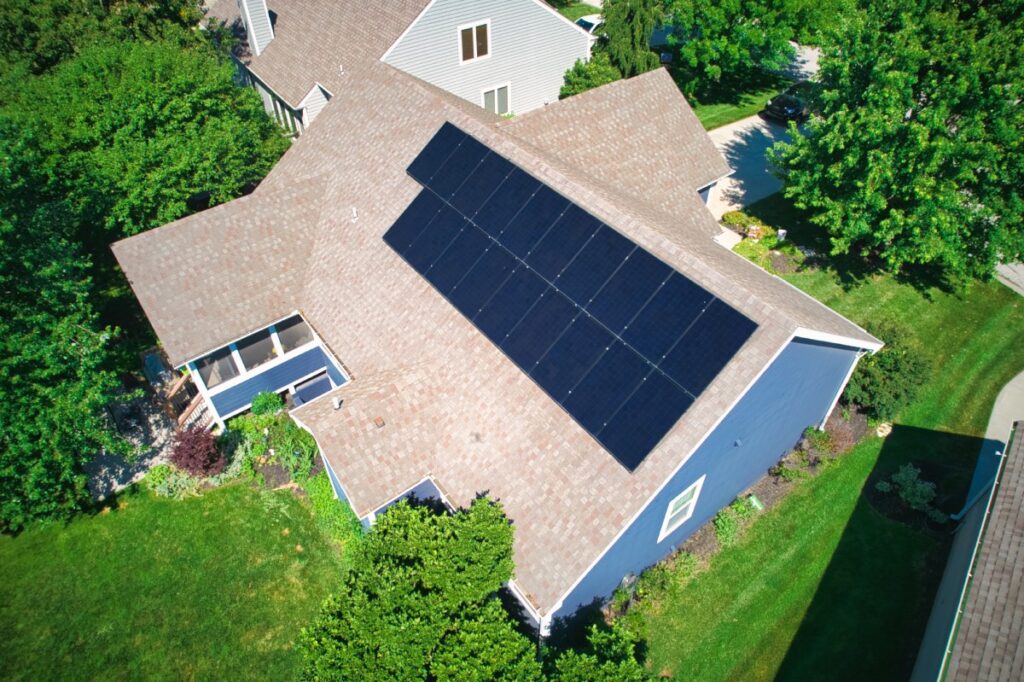
A residential solar installation in Lawrence, Kansas.
Will solar panels suddenly become 15% more expensive?
Not necessarily.
It’s important not to assume that a 15% tariff means the price of your entire solar installation will increase by 15%.
A residential solar project includes much more than the panels themselves. There’s design work, electrical equipment, racking, permitting, labor, engineering and installation. The impact of the new trade measures will depend on the equipment manufacturer, where components are made and how those costs move through the supply chain.
In other words, we don’t know exactly how much a typical residential solar installation will cost more after December 4.
What we do know is that the new rules create additional costs for certain imported solar products. Those costs can work their way through the supply chain and ultimately put upward pressure on the price homeowners pay. We don’t expect manufacturers and installers to simply absorb those costs indefinitely.
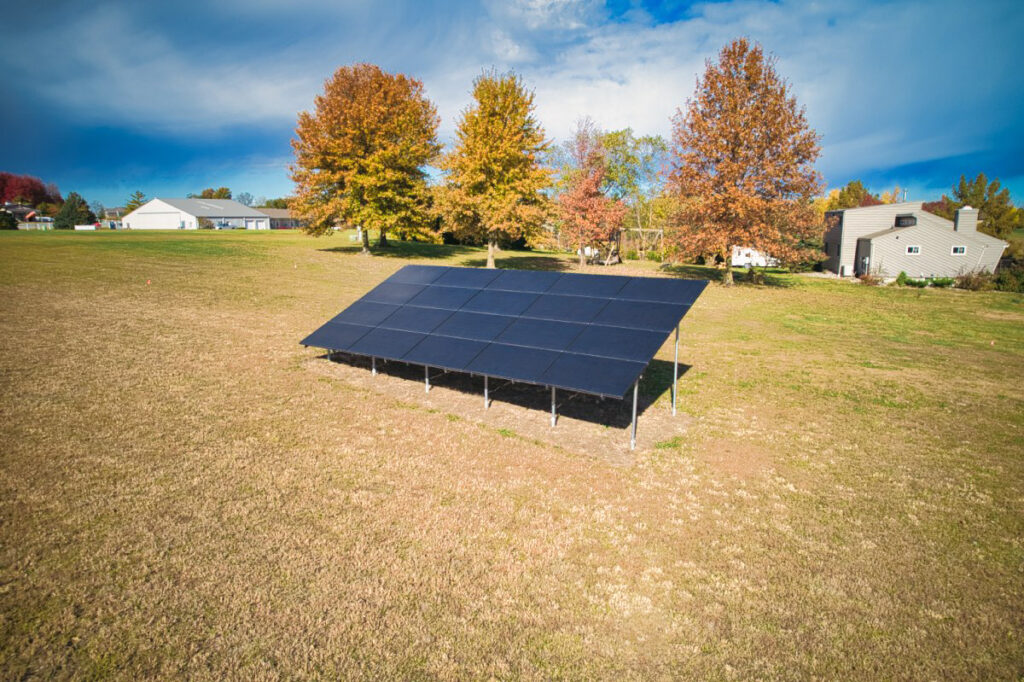
A residential solar system in Leavenworth, Kansas.
Why waiting could cost you more
This isn’t a prediction that solar prices will suddenly skyrocket on December 4.
It’s a timing issue.
If you’re already considering solar, getting your project designed and priced before the new tariffs take effect gives you an opportunity to lock in equipment and project pricing before the new rules begin affecting the market.
Once the new tariffs and minimum import prices take effect, manufacturers and installers will have to adjust to the new costs.
That doesn’t mean every solar company will raise its prices on December 5. It does mean that the price you’re quoted today may not be the price available next year.
That’s an important distinction.
You don’t need to panic and buy solar tomorrow. But if you’ve been planning to go solar anyway, waiting simply because you hope panels will be cheaper in the future may not make as much sense as it once did.
There’s another reason 2026 is different
The solar market has already changed significantly over the past year.
The federal residential Clean Energy Credit that previously provided a 30% tax credit for homeowners expired for systems installed after 2025.
That means homeowners considering solar in 2026 are already making that decision under a different incentive landscape than homeowners did a year ago.
Now, with new solar trade measures scheduled to take effect in December, there is another potential cost change on the horizon. For someone who has been saying, “We’ll probably go solar eventually,” eventually may be worth turning into a real conversation in 2026.
Solar is a long-term decision
One thing we don’t recommend is rushing into solar simply because of a deadline.
A good solar installation should make sense for your home, your electricity use and your long-term plans. That’s why the first step should be figuring out whether solar actually makes sense for your property.
At Good Energy Solutions, we look at things like roof orientation, shading, available solar access, electricity consumption and the way your utility bills are structured. In some cases, a roof isn’t a good candidate for solar. In others, a ground-mounted system may be a better option.
The goal isn’t to put as many panels on your house as possible. It’s to design a system that makes sense for your home.
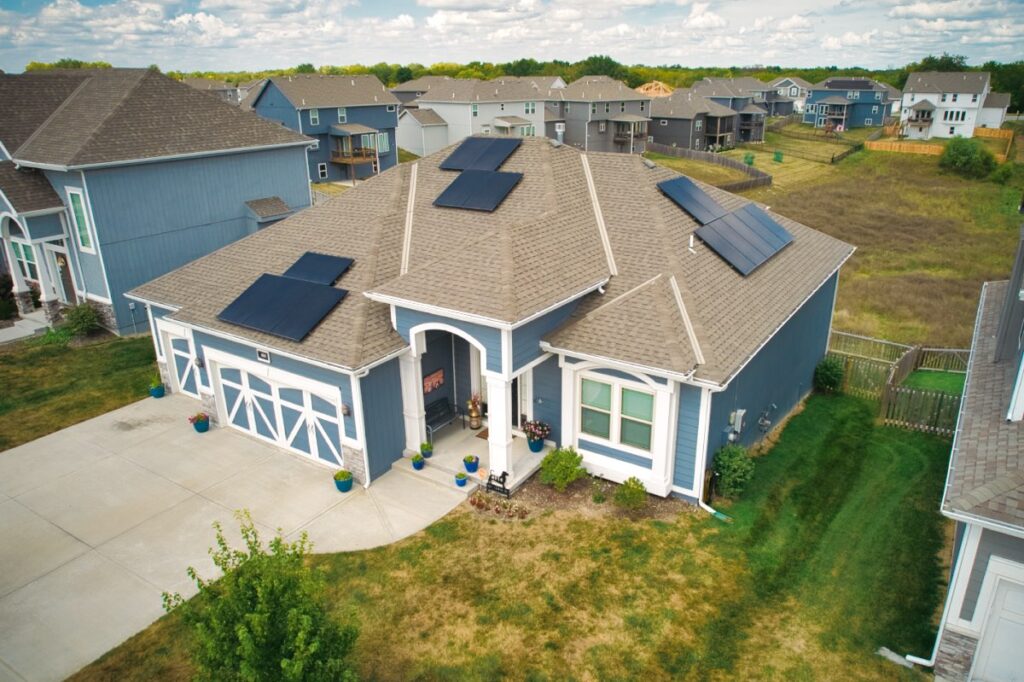
A residential solar system in Kansas City, Missouri
So, should you go solar before December?
If you’ve already been seriously considering solar, we think it’s worth getting your project evaluated in 2026 rather than automatically waiting until next year.
The December 4 tariff changes don’t guarantee that your solar installation will cost more. There are too many variables in the solar supply chain to put an exact dollar figure on the increase today.
But they do introduce another source of potential price pressure at a time when homeowners are already dealing with rising electricity costs.
Getting your project designed and priced now gives you more information and more options.
You can decide whether the numbers work for your home. You can compare equipment and financing options. And if you’re ready to move forward, you can do so before the new tariffs begin affecting the market.
If you’ve been thinking about solar, don’t wait just to see what happens to prices. Find out what solar would look like for your home in 2026.
Good Energy Solutions has been helping homeowners in Lawrence and northeast Kansas make informed decisions about solar since 2007. We’ll look at your home, your energy use and your goals and give you an honest assessment of whether solar makes sense.
No pressure. Just real numbers and a plan you can understand.
SEE IF YOUR HOME OR BUSINESS IS A GOOD MATCH FOR SOLAR
GET A FREE QUOTE
 Our mission at Good Energy Solutions is to provide our customers with honest, real solutions to reduce their fossil fuel consumption and lower their long-term energy costs. Our combination of hands-on experience, education, and outstanding customer service make our company the clear choice to help you achieve your energy goals.
Founded in 2007 by Kevin and Shana Good, Good Energy Solutions has earned a reputation for our reliable service, long workmanship warranties, and quality commercial and residential solar installations.
We are engineers and craftsmen designing for efficiency while keeping aesthetics and longevity in mind. Because of our installation quality and customer service, Good Energy Solutions' solar panel systems feature some of the longest product and service warranties in Kansas and Missouri. Also, we have more NABCEP® Certified Solar Professionals on staff than any other company in Kansas or Missouri. To achieve this certification, PV installers must demonstrate that they possess extensive solar PV installation experience, have received advanced training, and passed the rigorous NABCEP certification exam.
If you would like to know more about solar power for your home or business, contact us here.