
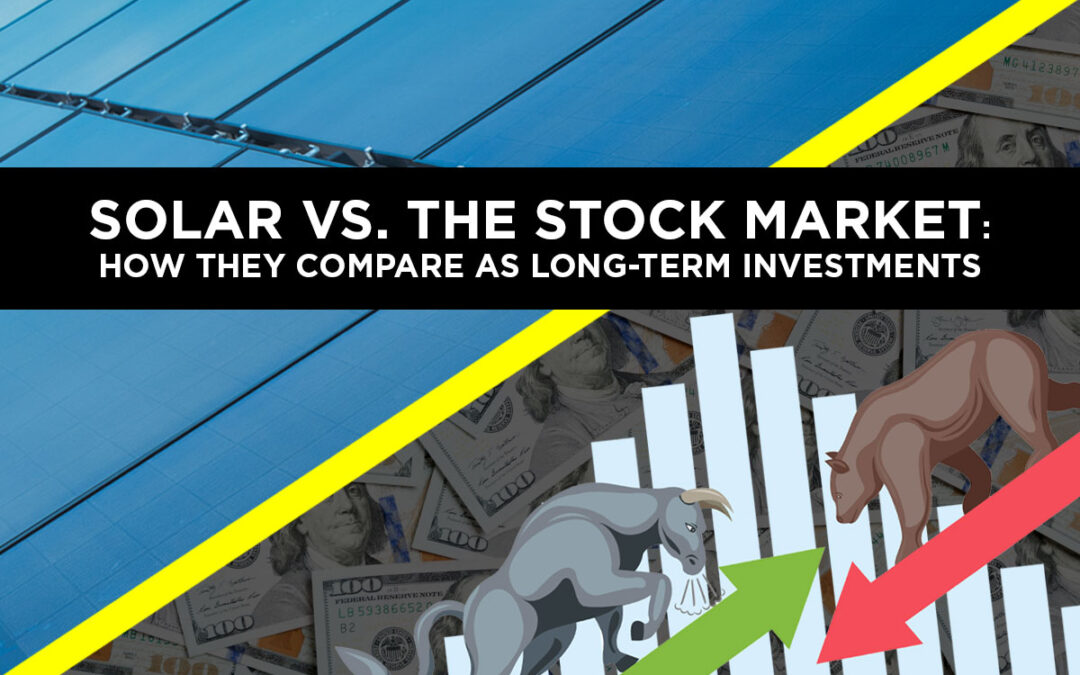
When people think about “investing,” they usually picture Wall Street, not their rooftop. For homeowners and business owners, installing solar is one of the most practical long-term investments available.
The real question isn’t “Is solar green?” The real question is:
How does solar compare to putting that same money in the stock market over 20–30 years?
Let’s break it down strategically, not emotionally.
1. What Are You Actually Investing In?
The Stock Market
When you invest in the stock market (via index funds like the S&P 500), you’re buying ownership in companies. Historically, the U.S. stock market has averaged about 7–10% annual returns over long periods.
That sounds strong and it is. But:
-
Returns are volatile.
-
Gains are not guaranteed.
-
You don’t control the outcome.
-
You only benefit if you stay invested and don’t panic sell.
You’re betting on markets.
Solar
When you install solar, you’re not betting on a company. You’re eliminating an expense.
Instead of sending money to your utility company every month, you redirect that money toward owning your own power production system. That’s a fundamentally different type of return. You’re locking in energy costs and insulating yourself from utility rate increases.
By investing in solar, you’re not speculating. You’re hedging.
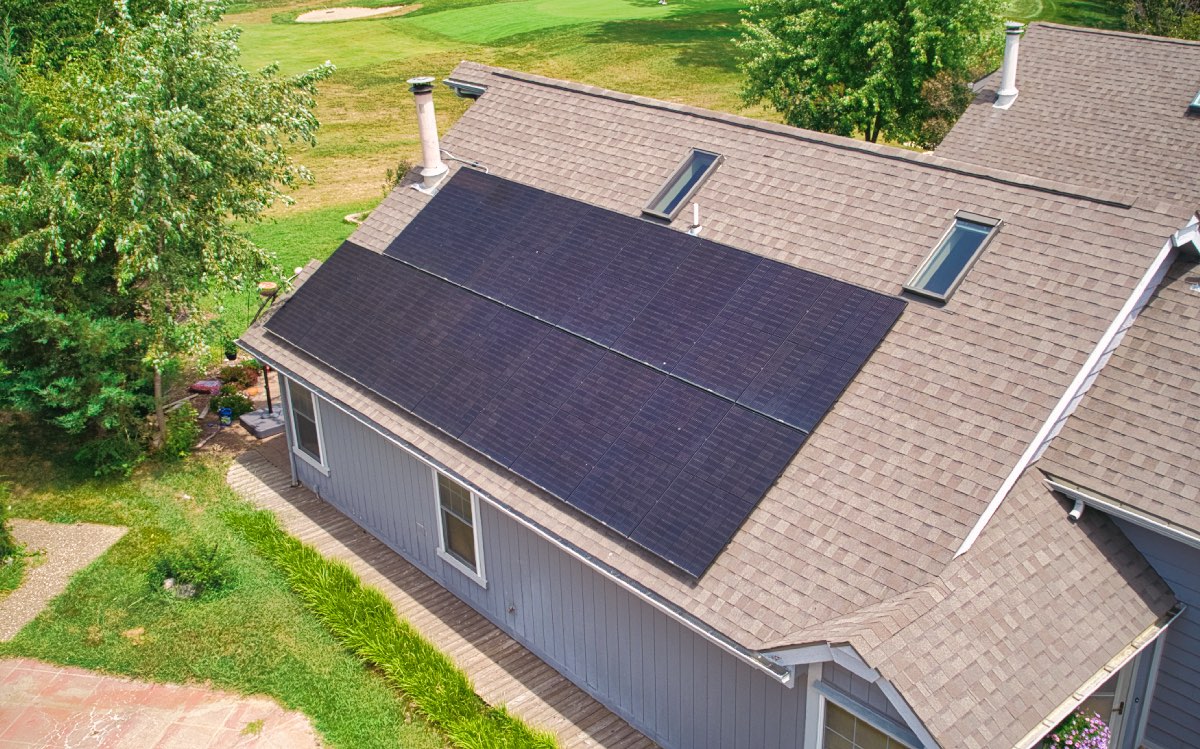
2. Return on Investment (ROI) Comparison
Let’s compare numbers.
Stock Market (Historical Average)
-
7–10% average annual return
-
Volatile year to year
-
Taxable gains (unless in qualified accounts)
-
No impact on your monthly expenses
Solar Investment
Typical residential solar projects:
-
8–15% internal rate of return (varies by utility rates and incentives)
-
Immediate reduction in operating costs
-
Hedge against rising utility rates
-
25–30 year production life
Unlike stocks, solar produces a predictable return because:
-
Electricity rates tend to rise over time.
-
Your system’s output is measurable.
-
Savings are contractually tied to offset production.
Solar often behaves more like a fixed-income asset with equity-level returns.
3. Risk Profile: Volatility vs Predictability
Stock Market Risk
-
Market crashes (2000, 2008, 2020, 2022 corrections)
-
Sequence-of-returns risk
-
Emotional decision-making
-
No guaranteed timeline for recovery
Solar Risk
-
Performance risk (mitigated by warranties)
-
Policy risk (mostly front-loaded)
-
Roof condition considerations
-
Local utility rate structures
Most tier-one panels carry:
-
25-year performance warranties
-
25-year product warranties
That’s contractual protection. Stocks don’t come with warranties.
4. Liquidity vs Stability
Here’s where the stock market wins.
Stocks are liquid. You can sell them tomorrow.
Solar is illiquid. You can’t uninstall and cash it out easily.
But ask a better question:
Do you want liquidity or do you want predictable cost control?
Solar is a long-duration asset. It’s not meant to be traded. It’s meant to stabilize your largest recurring expense.
5. Inflation Hedge
Since 1950, stocks have beaten the annual inflation rate in 73% of calendar years, making them strong long-term, but not short-term, hedges.
While the stock market is often described as an inflation hedge, solar is a direct hedge against energy inflation.
Utility rates in many regions have risen steadily for decades. When rates increase:
-
Non-solar homeowners pay more.
-
Solar owners pay roughly the same.
That delta compounds year after year. Solar is effectively a self-controlled utility hedge.
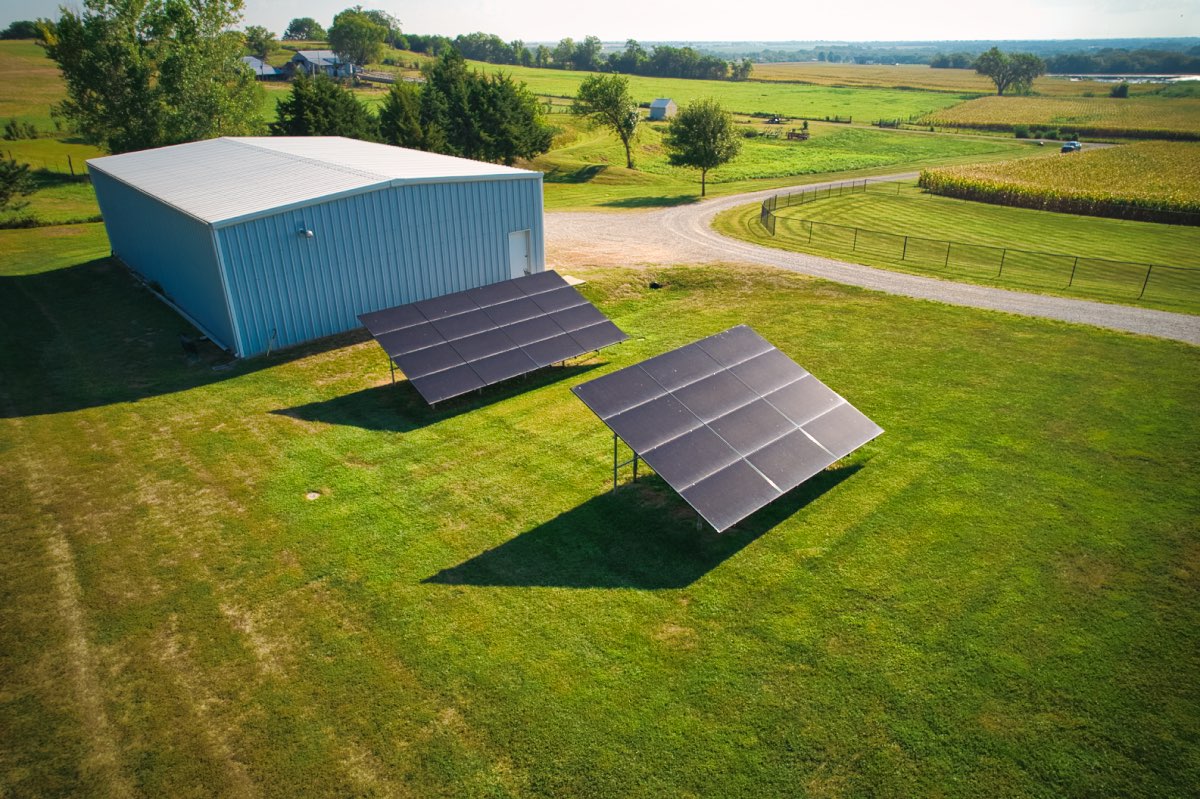
6. Cash Flow Impact
Stocks don’t reduce your monthly expenses. Solar does.
If your electric bill is $250/month and solar reduces it by 80%, that’s $200/month freed up.
That’s $2,400 per year in improved cash flow.
Over 25 years (without even assuming rate increases), that’s $60,000+ in avoided expenses.
That’s before factoring rising utility costs. Solar doesn’t just grow wealth. It preserves it.
7. Which Is the Better Investment?
It’s all about asset allocation.
Solar is:
-
A defensive asset
-
A cost-reduction tool
-
An inflation hedge
-
A long-term cash flow stabilizer
The stock market is:
-
A growth asset
-
A volatility-exposed vehicle
-
A liquidity tool
-
A wealth multiplier
Sophisticated investors don’t choose one. They diversify.
Solar often behaves like a high-yield bond replacement, except it’s backed by physics and your roof instead of corporate debt.
Final Thought: Control vs Speculation
The stock market rewards patience and discipline, but it’s out of your control.
Solar rewards ownership and foresight, and it’s entirely within your control.
If you’re already investing in markets but still exposed to rising utility rates, you’re missing an obvious hedge. The most resilient financial strategy isn’t just about growing assets.
It’s about reducing liabilities. Solar does exactly that.
SEE IF YOUR HOME OR BUSINESS IS A GOOD MATCH FOR SOLAR
GET A FREE QUOTE
 Our mission at Good Energy Solutions is to provide our customers with honest, real solutions to reduce their fossil fuel consumption and lower their long term energy costs. Our combination of hands-on experience, education, and outstanding customer service make our company the clear choice to help you achieve your energy goals.
Founded in 2007 by Kevin and Shana Good, Good Energy Solutions has earned a reputation for our expert reliable service, long workmanship warranties, and quality commercial and residential solar installations.
We are engineers and craftsmen designing for efficiency while keeping aesthetics and longevity in mind. Because of our installation quality and customer service, Good Energy Solutions' solar panel systems feature some of the longest product and service warranties in Kansas and Missouri. Also, we have more NABCEP® Certified Solar Professionals on staff than any other company in Kansas or Missouri. To achieve this certification, PV installers must demonstrate that they possess extensive solar PV installation experience, have received advanced training, and passed the rigorous NABCEP certification exam.
If you would like to know more about solar power for your home or business, contact us here.