
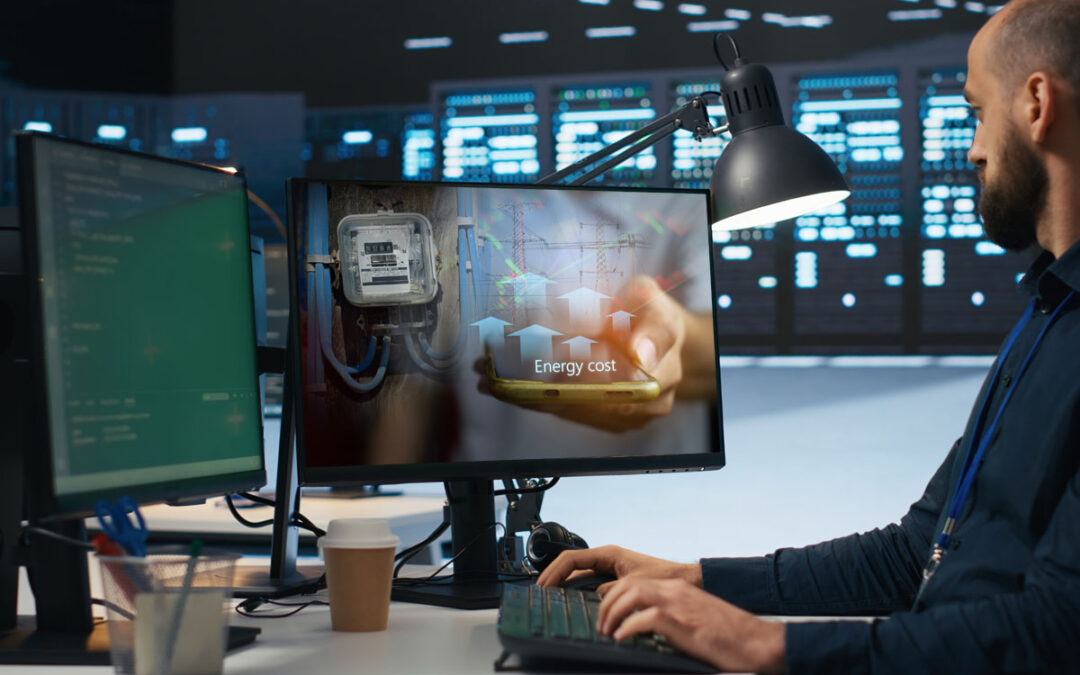
At first glance, these projects sound like a win with billions in investment, new infrastructure, and job creation. Beneath the surface though, there’s a growing concern among energy experts, utilities, and local residents:
Will data centers drive up electricity costs for homeowners and businesses?
The Data Center Boom Is Coming to the Kansas City Region
The Kansas City metro has quickly become a hotspot for data center development, with at least 10 large-scale facilities proposed or in progress across the region.
Projects like the proposed “Project Bluestem” in Leavenworth County and a $1.4 billion data center in Liberty highlight just how fast this trend is accelerating.
These facilities aren’t small.
- Many qualify as “hyperscale” data centers
- Some require 75+ megawatts of electricity, enough to power thousands of homes
- Others may reach hundreds of megawatts in total capacity
That kind of demand doesn’t just appear out of thin air. It has to come from the grid.
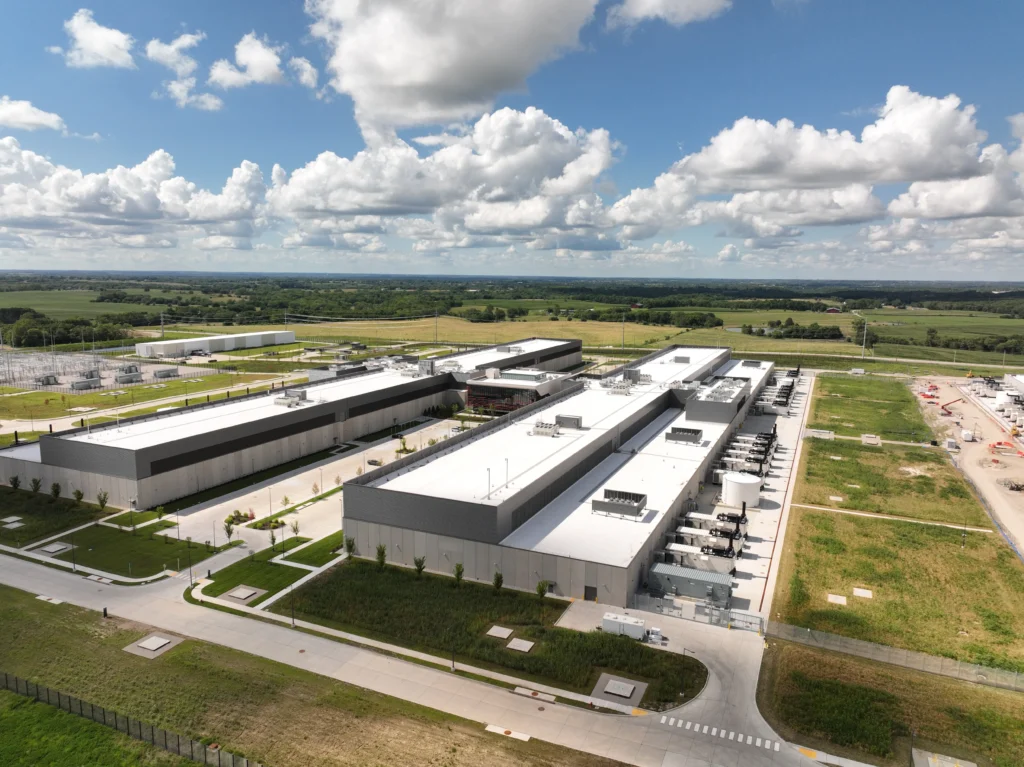
The Kansas City Data Center for Meta, Opened in August of 2025
Why Data Centers Put Pressure on the Grid
Data centers operate 24/7 and require massive, continuous electricity loads to run servers and cooling systems.
As more facilities come online:
- Utilities must generate more power
- Transmission infrastructure must be expanded and upgraded
- Backup capacity must be built to handle peak demand
Experts warn that when multiple data centers cluster in one region, the impact isn’t just local. It affects the entire grid footprint.
And historically, when grid costs increase, ratepayers often absorb those costs.
The Real Question: Who Pays for the Power?
This is where things get nuanced and where homeowners and business owners should pay attention.
Some local agreements, like the Liberty project, include provisions where the developer pays for infrastructure upgrades, with officials stating residents won’t see direct increases from that specific project.
But zoom out, and the picture changes.
Across the U.S., energy analysts are already linking rising electricity prices to data center demand, especially as AI adoption accelerates.
In some regions, projections show:
- 30%–60% increases in electricity costs tied to surging demand
- Grid upgrades and generation expansion costs being passed on to consumers
- Utilities struggling to keep pace with rapid load growth
Even policymakers are raising concerns that without proper safeguards, data center expansion could shift energy costs onto everyday customers.
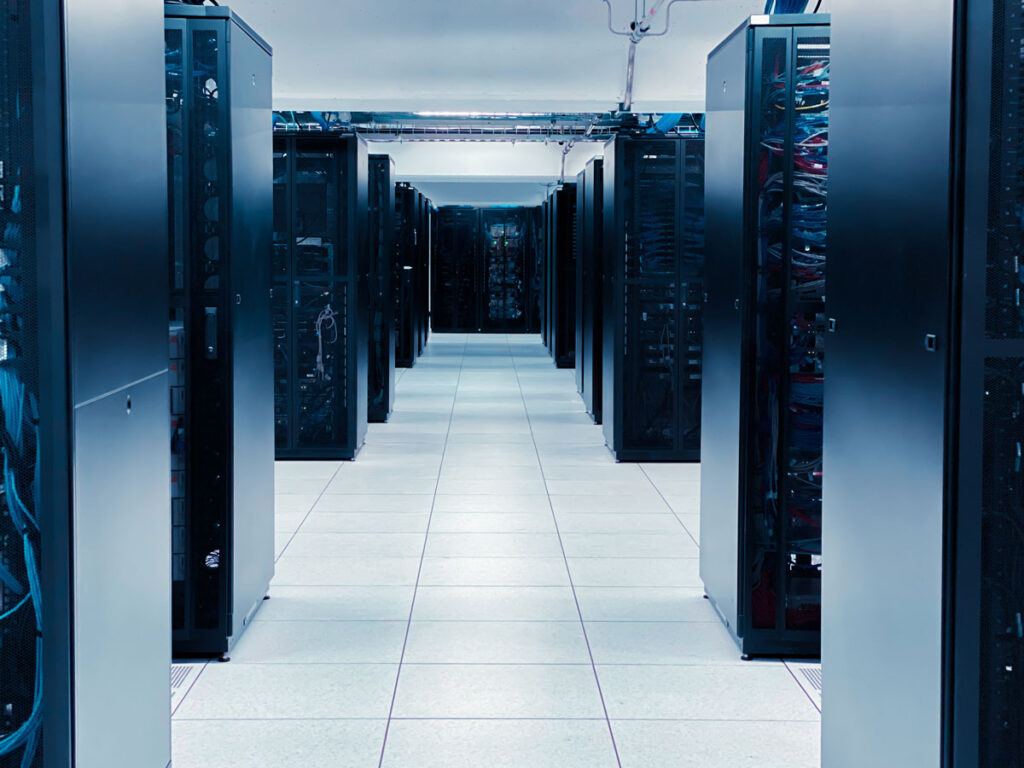
A look inside a data center.
Local Concerns Are Growing in Kansas and Missouri
As more projects are announced, local residents are starting to ask harder questions:
- Will tax incentives outweigh the long-term infrastructure costs?
- Will utilities truly shield homeowners from rate increases?
- How much energy and water will these facilities consume?
In Kansas, opposition groups have already formed around proposed developments, citing concerns about utility bills, infrastructure strain, and limited long-term community benefit.
This isn’t anti-development. It’s about who bears the risk if projections don’t hold.
What This Means for Homeowners and Businesses
Whether or not any single project raises your bill, the broader trend is clear:
- Electricity demand is rising rapidly
- Infrastructure costs are increasing
- Rate volatility is becoming more likely
And in markets like Kansas and Missouri, where electricity has historically been affordable, that shift can be especially noticeable.
How to Protect Yourself from Rising Energy Costs
You can’t control utility rate structures or large-scale industrial demand.
But you can control how much electricity you buy from the grid.
That’s why more homeowners and businesses are turning to:
- Solar Energy – Lock in predictable energy costs and reduce dependence on utility rate increases.
- Battery Storage – Protect against peak pricing, outages, and future rate restructuring.
- Energy Efficiency Upgrades – Reduce total consumption before rates climb further.
The Bottom Line About Data Centers
More are coming and they’re not slowing down.
They bring real economic benefits, but they also introduce real pressure on the electrical grid, which can translate into higher costs over time.
For homeowners and business owners in Kansas and Missouri, the question isn’t whether energy demand will increase.
It’s whether you’ll still be fully exposed to it when it does.
Want to Stay Ahead of Rising Energy Costs?
Good Energy Solutions helps homeowners and businesses across Kansas and Missouri take control of their energy future with solar and battery storage solutions.
SEE IF YOUR HOME OR BUSINESS IS A GOOD MATCH FOR SOLAR
GET A FREE QUOTE
 Our mission at Good Energy Solutions is to provide our customers with honest, real solutions to reduce their fossil fuel consumption and lower their long term energy costs. Our combination of hands-on experience, education, and outstanding customer service make our company the clear choice to help you achieve your energy goals.
Founded in 2007 by Kevin and Shana Good, Good Energy Solutions has earned a reputation for our expert reliable service, long workmanship warranties, and quality commercial and residential solar installations.
We are engineers and craftsmen designing for efficiency while keeping aesthetics and longevity in mind. Because of our installation quality and customer service, Good Energy Solutions' solar panel systems feature some of the longest product and service warranties in Kansas and Missouri. Also, we have more NABCEP® Certified Solar Professionals on staff than any other company in Kansas or Missouri. To achieve this certification, PV installers must demonstrate that they possess extensive solar PV installation experience, have received advanced training, and passed the rigorous NABCEP certification exam.
If you would like to know more about solar power for your home or business, contact us here.