
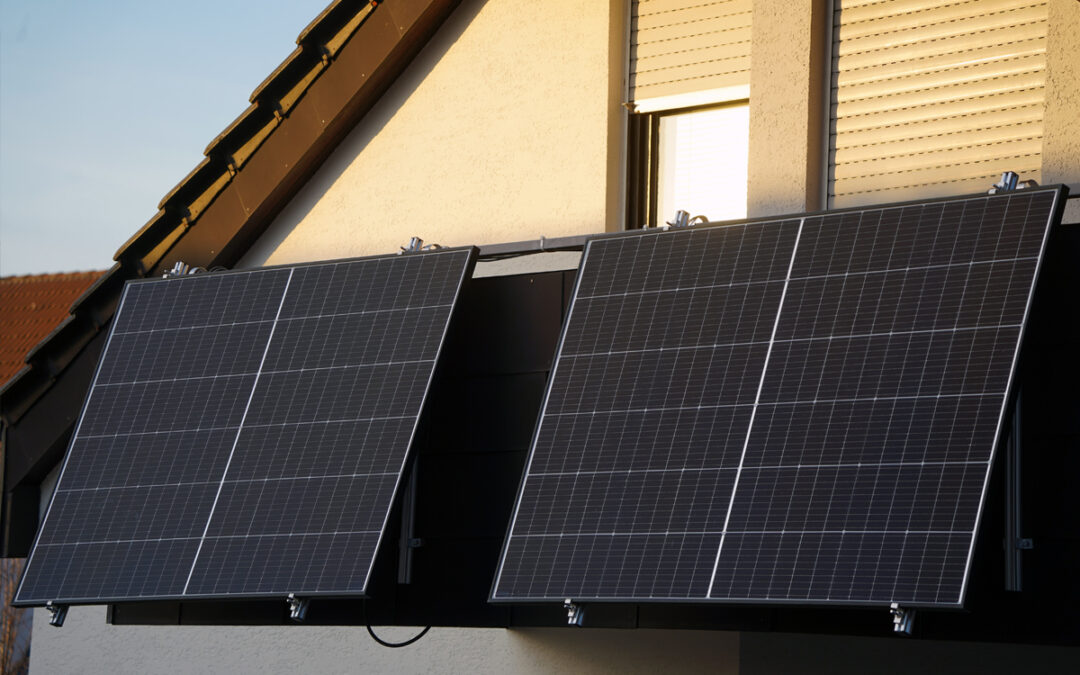
Across Europe and increasingly in the United States, “apartment solar” systems are getting a lot of attention. These compact solar setups, (sometimes called balcony solar, plug-in solar, or mini solar systems) promise a simple way to generate electricity without a full rooftop installation.
The appeal is obvious: lower upfront costs, DIY-friendly installation, and the ability to produce at least some of your own power.
But there’s an important reality homeowners should understand before investing in one of these systems: Most apartment solar systems simply aren’t large or efficient enough to create a major reduction in a typical home’s electric bill.
For homeowners serious about long-term savings and energy independence, a professionally designed roof-mounted or ground-mounted solar array remains dramatically more effective.
What Is “Apartment Solar”?
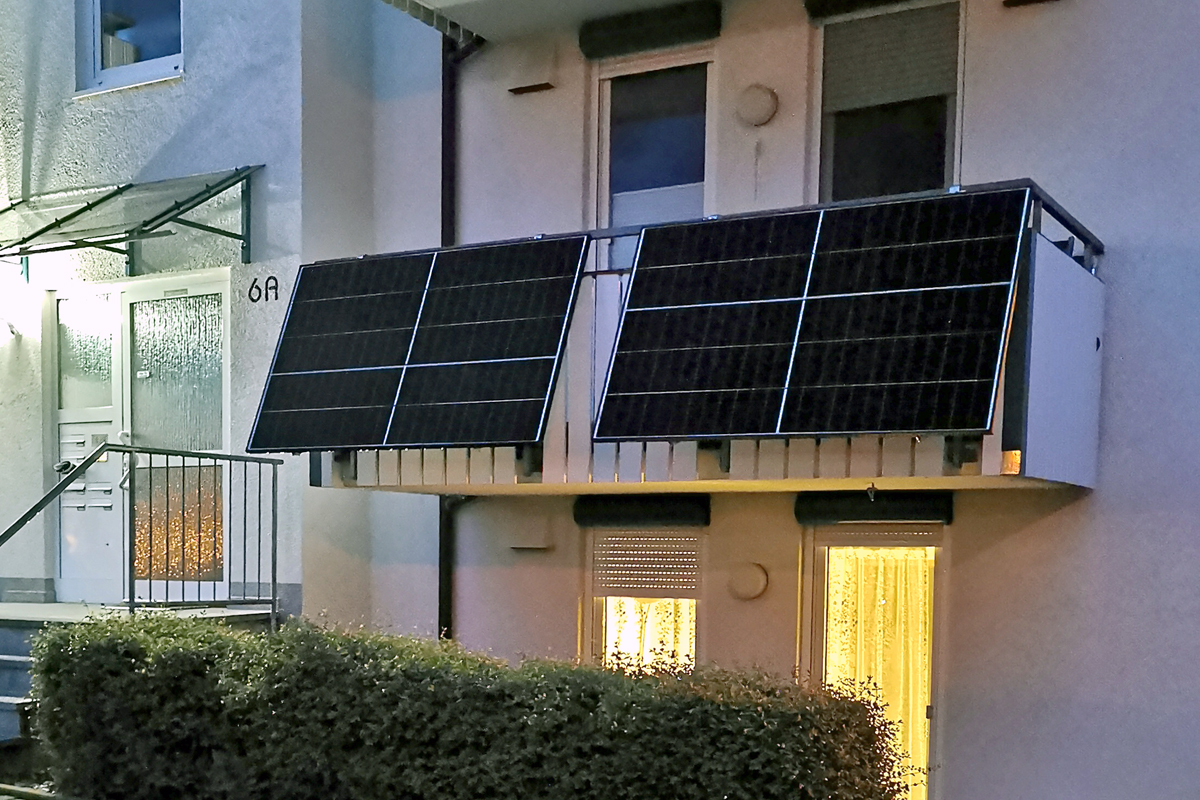
Image: Wikimedia Commons / Sogenanntes Balkonkraftwerk
Apartment solar systems are small-scale solar kits typically designed for renters, condo owners, or homeowners who don’t want a full rooftop system.
These systems often include:
- One or two solar panels
- A microinverter
- Plug-and-play connections
- Portable or temporary mounting hardware
Some are mounted on:
- Apartment balconies
- Deck railings
- Patios
- Small sheds
- Backyard structures
Others are portable systems marketed for camping or emergency backup power. The systems are attractive because they appear simple: “Plug it in and lower your electric bill.” But the math behind energy production tells a more complete story.
The Biggest Advantage: Accessibility
Apartment solar’s biggest strength is accessibility. A traditional residential solar installation requires:
- Roof space
- Electrical permitting
- Utility coordination
- Engineering
- Professional installation
A mini solar setup avoids much of that complexity.
For renters or homeowners with restrictive HOAs, apartment solar may be the only available option to participate in renewable energy generation. These systems can also:
- Power small electronics
- Offset minor daytime energy use
- Provide limited emergency charging capability
- Help users better understand their energy consumption
For some households, that educational value alone is worthwhile.
The Problem: Limited Energy Production
Here’s where expectations often disconnect from reality. A typical American home uses around 800–1,200 kWh of electricity per month. A small apartment solar setup may produce only 30–100 kWh per month under ideal conditions. That means many systems offset only a tiny fraction of total household consumption.
To put that in perspective:
A small plug-in solar kit may power:
- Wi-Fi equipment
- Laptop charging
- Some lighting
- Small electronics
But it will struggle to meaningfully offset:
- Air conditioning
- Electric water heating
- EV charging
- Laundry appliances
- Kitchen appliances
- Whole-home energy usage
For homeowners hoping to dramatically reduce their utility bill, these systems usually do not move the needle enough.
Why Full Residential Solar Performs Better
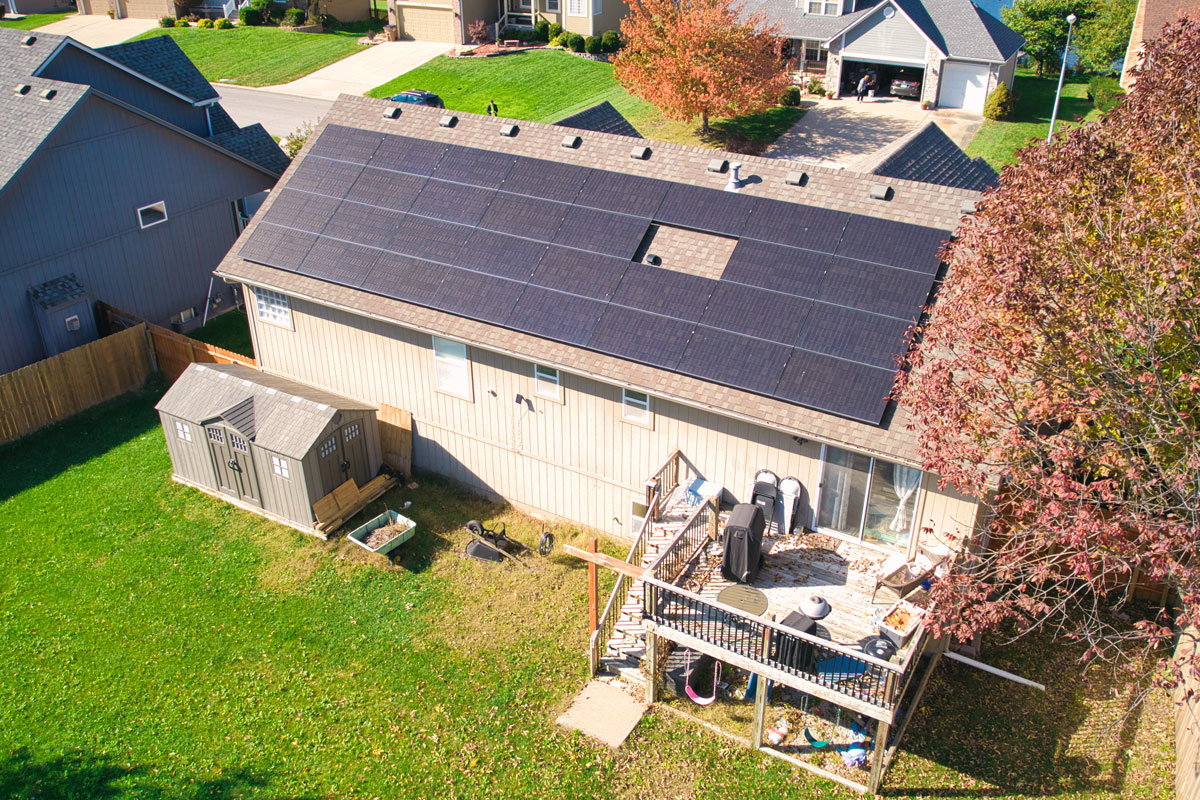
A professionally engineered rooftop or ground-mounted solar installation is designed around your actual energy consumption. That changes everything.
A properly sized residential solar array can:
- Offset 50%–100% of annual electric usage
- Significantly reduce long-term utility costs
- Increase property value
- Support battery backup systems
- Handle future electrical upgrades like EV chargers or heat pumps
Unlike apartment solar systems, full installations are optimized for:
- Roof orientation
- Sun exposure
- Panel efficiency
- Inverter sizing
- Seasonal production
- Utility interconnection rules
The result is exponentially greater energy production.
Another Limitation: Placement and Sunlight
Apartment solar systems are often installed in locations with poor solar exposure. Balconies, patios, and railings frequently suffer from:
- Shading
- Suboptimal tilt angles
- Limited southern exposure
- Obstructions from nearby buildings or trees
Even high-quality solar panels perform poorly without strong, direct sunlight.
By contrast, professionally installed rooftop and ground-mounted systems are strategically placed to maximize annual production.
That optimization is one of the main reasons professionally designed systems consistently outperform DIY plug-in options.
The Economics Matter
Apartment solar is often marketed as “cheap solar.” But low upfront cost does not automatically equal good financial return.
A homeowner spending a few thousand dollars on a tiny system that offsets only a small portion of their bill may see a very slow payback period.
Meanwhile, a properly sized residential solar installation can generate substantially larger utility savings year after year.
The difference isn’t just panel size. It’s system design, efficiency, production capacity, and long-term economics.
Where Apartment Solar Does Make Sense
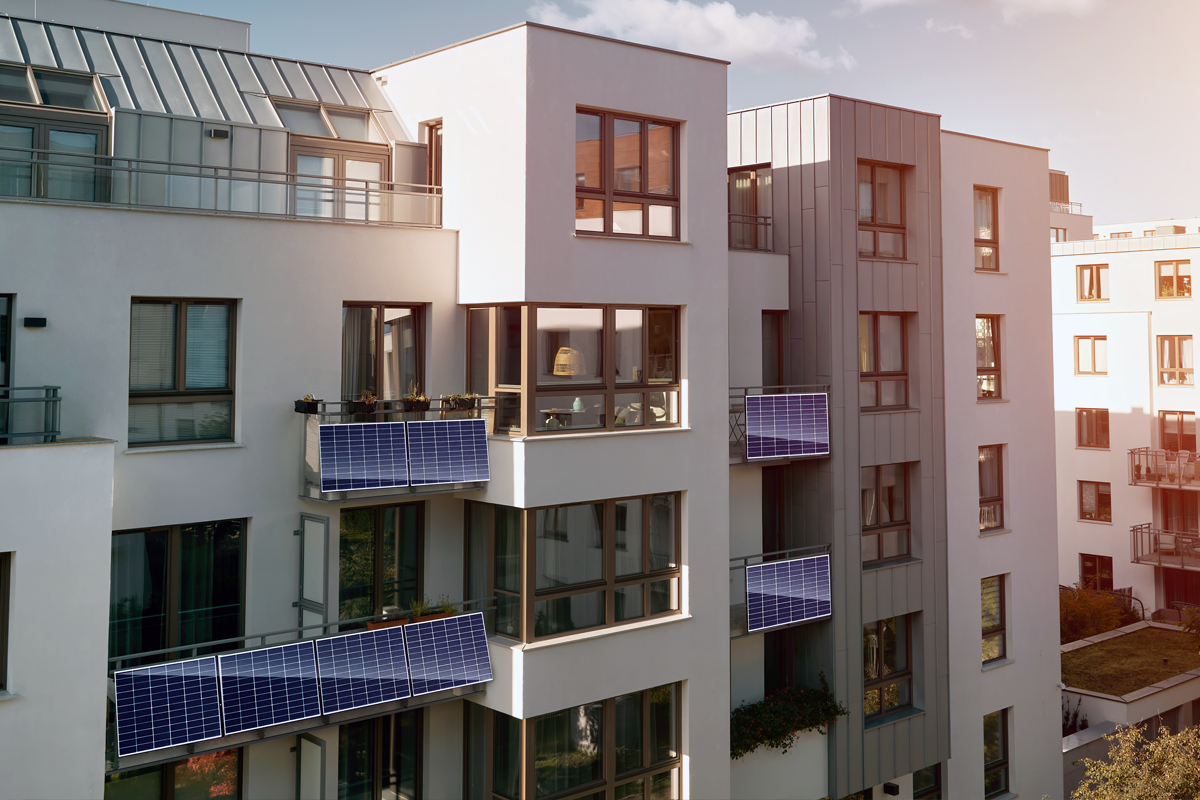
There are situations where apartment solar is reasonable:
- Renters without roof access
- People wanting small emergency backup charging
- Users experimenting with solar technology
- Homes with extremely low electricity usage
- Temporary installations
But homeowners looking for serious utility bill reduction should understand its limitations before assuming a small setup can replace a full solar installation.
The Bottom Line
Apartment solar is growing in popularity because it lowers the barrier to entry for renewable energy. That’s a positive development.
But most plug-in or mini solar systems are not capable of delivering the kind of substantial utility savings most homeowners actually want.
If your goal is meaningful long-term energy savings, whole-home energy production, or protection against rising electricity rates, professionally designed roof-mounted or ground-mounted solar remains the far more effective solution.
That’s where companies like Good Energy Solutions focus their expertise: designing complete solar systems built around real household energy usage, long-term performance, and maximum financial impact.
SEE IF YOUR HOME OR BUSINESS IS A GOOD MATCH FOR SOLAR
GET A FREE QUOTE
 Our mission at Good Energy Solutions is to provide our customers with honest, real solutions to reduce their fossil fuel consumption and lower their long term energy costs. Our combination of hands-on experience, education, and outstanding customer service make our company the clear choice to help you achieve your energy goals.
Founded in 2007 by Kevin and Shana Good, Good Energy Solutions has earned a reputation for our expert reliable service, long workmanship warranties, and quality commercial and residential solar installations.
We are engineers and craftsmen designing for efficiency while keeping aesthetics and longevity in mind. Because of our installation quality and customer service, Good Energy Solutions' solar panel systems feature some of the longest product and service warranties in Kansas and Missouri. Also, we have more NABCEP® Certified Solar Professionals on staff than any other company in Kansas or Missouri. To achieve this certification, PV installers must demonstrate that they possess extensive solar PV installation experience, have received advanced training, and passed the rigorous NABCEP certification exam.
If you would like to know more about solar power for your home or business, contact us here.