
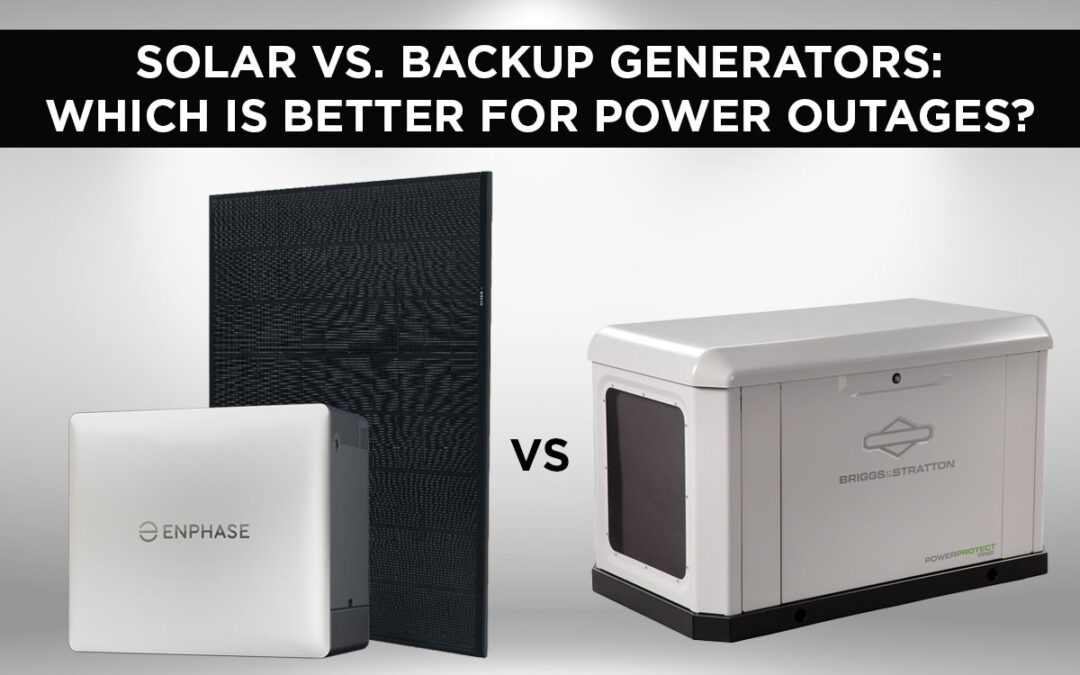
Power outages are becoming more common across Kansas and Missouri. Between severe storms, aging grid infrastructure, and rising electricity demand, homeowners are thinking more seriously about how to keep the lights on when the grid goes down. Two of the most popular options are solar + battery backup systems and traditional backup generators, but they work very differently, and each has strengths worth considering.
This guide breaks down both solutions in clear, practical terms so you can make the best choice for your home, your budget, and your peace of mind.
How Solar + Battery Backup Works
Solar Panels: Your Everyday Power Source
Solar panels convert sunlight into electricity that powers your home. Even on cloudy days, they continue producing energy, just at a reduced rate. When paired with a battery, solar becomes more than a daytime energy source; it becomes a reliable backup system.
Battery Storage: Your Silent Backup Power
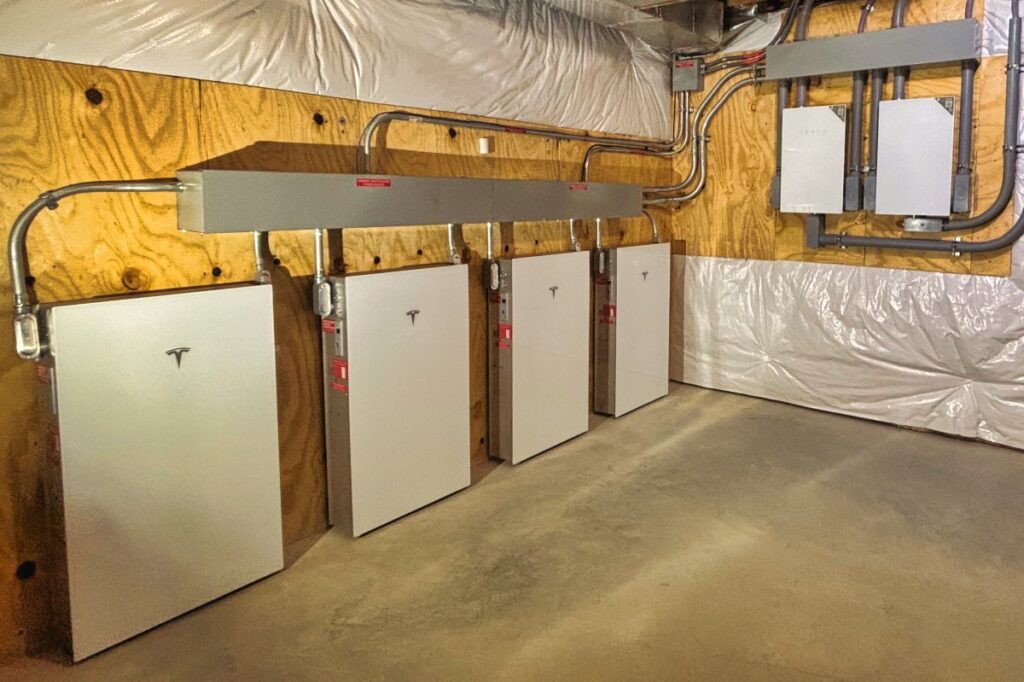
A home battery stores excess solar energy during the day. When the grid goes down, the battery automatically takes over, powering essential circuits like lights, refrigerators, and Wi‑Fi. There’s no noise, no fumes, and no need to refuel. A solar‑plus‑battery system can power your home through prolonged outages, with zero fuel expense.

Why Homeowners Love Solar + Battery
- No fuel required
- Quiet, seamless operation
- Reduces monthly electric bills
- Provides clean, renewable backup power
- Minimal maintenance
- Solar systems eventually pay for themselves over their 25-year+ lifespan
Solar + battery systems offer both everyday savings and emergency resilience, making them a long‑term investment in energy independence.
How Backup Generators Work
Types of Generators
- Portable generators: Lower cost, manual operation, limited capacity
- Standby generators: Permanently installed, automatic startup, whole‑home capability
Fuel Options
Generators typically run on natural gas, propane, or diesel. As long as you have fuel, the generator can continue running.
Why Homeowners Choose Generators
- Lower upfront cost
- High power output
- Reliable for long outages
- Works day or night
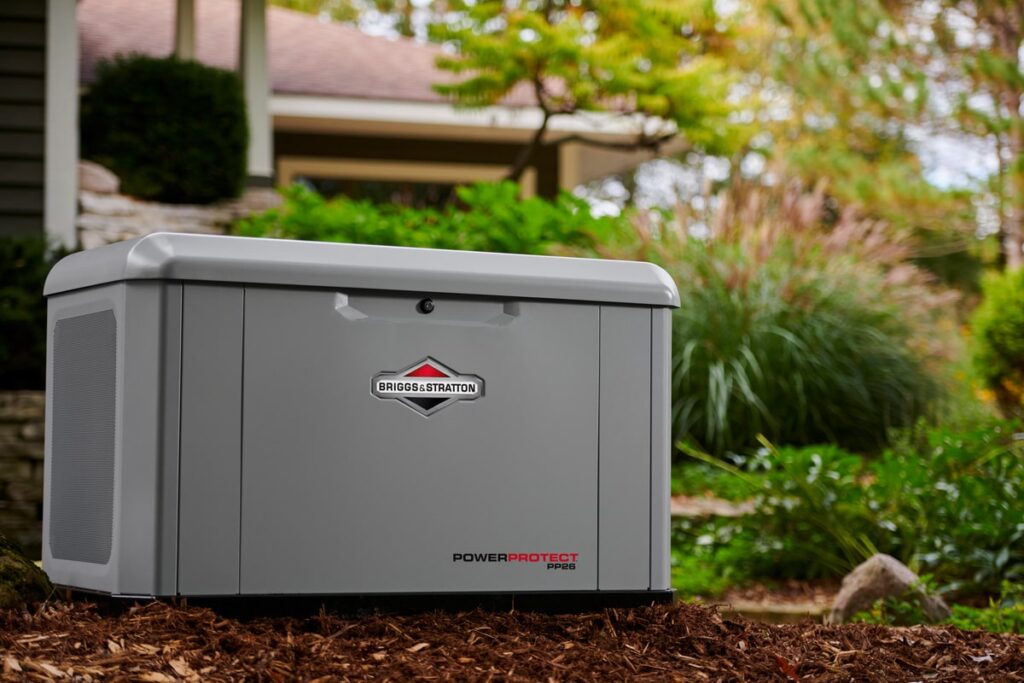
Generators have been the traditional choice for decades, especially in rural areas where outages can last several days.
Solar vs. Generators: A Side‑by‑Side Comparison
| FEATURE | SOLAR + BATTERY | BACKUP GENERATOR |
|---|---|---|
| Upfront Cost | Higher | Lower |
| Operating Cost | Very low | High (fuel + maintenance) |
| Noise Level | Silent | Loud |
| Environmental Impact | Clean | Emits fumes |
| Reliability in Long Outages | Limited by battery capacity and solar generation | Unlimited with fuel |
| Maintenance | Minimal | Regular servicing |
| Lifespan | 25+ years | 10–15 years |
Cost Breakdown: What to Expect
Solar + Battery Costs
Solar + battery systems require a higher upfront investment, but they continue generating savings long after installation. Over time, many homeowners find that solar + battery pays for itself through lower electric bills and reduced reliance on the grid.
Generator Costs
Generators cost less upfront, but do incur ongoing expenses:
-
Fuel (especially during long outages)
-
Annual maintenance
-
Occasional repairs
-
Replacement every 10–15 years
For homeowners who experience frequent outages, these recurring costs can become substantial.
Reliability During Power Outages
Solar + Battery
Solar + battery systems excel during short and medium‑length outages. With smart energy management, like running only essential loads, you can stretch battery power even further. And because the system recharges with sunlight, you may get multiple cycles of renewable backup power during multi‑day outages, depending on the amount of sun available.
Generators
Generators shine during extended outages. As long as you have fuel or a natural gas connection, they can run continuously. However, they require regular maintenance and can be noisy, especially during nighttime operation.
Environmental and Health Considerations
Solar + Battery
- Zero emissions
- No fumes or carbon monoxide risk
- Safe for indoor or outdoor installation
- Quiet operation
Generators
- Produce exhaust and greenhouse gases
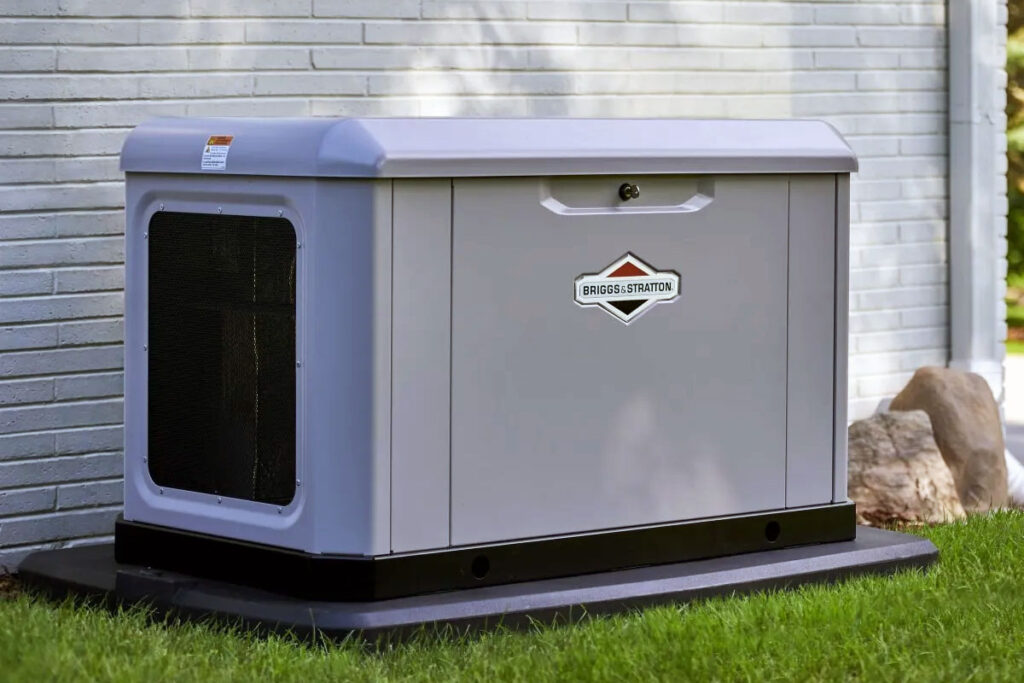
- Must be placed outdoors to avoid carbon monoxide poisoning
- Can be disruptive due to noise
For homeowners prioritizing sustainability or indoor air quality, solar + battery is the clear winner.
Which Option Is Better for Your Home?
Choose Solar + Battery If You Want:
- Long‑term savings
- Clean, quiet backup power
- Lower maintenance
- Energy independence
- A system that benefits you every day, not just during outages
- Inexpensive renewable energy
Choose a Generator If You Need:
- Backup power for long outages
- Lower upfront cost
- High‑demand loads like HVAC or well pumps without upgrading battery capacity
Both solutions have their place. The right choice depends on your outage frequency, energy needs, and long‑term goals.
The Best of Both Worlds: Hybrid Backup Solutions
Many homeowners choose a hybrid approach: solar + battery for everyday savings and short outages, paired with a generator for extended emergencies. This combination reduces fuel use, lowers noise, and ensures you’re covered no matter what the grid throws your way.
Final Thoughts
Backup power isn’t just a convenience. It’s about peace of mind. Whether you’re looking for a clean, modern solution like solar + battery or a traditional standby generator, Good Energy Solutions can help you design a system that fits your home and your budget.
If you’re ready to explore your options, our team is here to guide you through every step, from evaluating your energy needs to installing a reliable, long‑lasting backup power solution.
SEE IF YOUR HOME OR BUSINESS IS A GOOD MATCH FOR SOLAR
GET A FREE QUOTE
Solar + Batteries vs Generators FAQs
Do solar panels work during a power outage?
Most grid‑tied solar systems shut down automatically during an outage for safety. However, when paired with a home battery, your solar system can continue powering essential loads and recharging the battery during daylight hours.
How long can a solar battery power my home?
Backup duration depends on battery size and how much electricity your home uses. Many homeowners can power essential circuits, like lights, refrigeration, and Wi‑Fi, for several hours to a full day. With sunlight, the battery can recharge and extend backup time.
Are generators better for long power outages?
Generators can run for extended outages as long as you have fuel or a natural gas connection. This makes them a strong option for rural areas or regions with frequent multi‑day outages.
What are the ongoing costs of a generator?
Generators require fuel, regular maintenance, and occasional repairs. Over time, these recurring costs can exceed the initial purchase price, especially during seasons with frequent outages.
Do solar + battery systems require maintenance?
Solar panels require very little maintenance, and batteries are designed to operate automatically with minimal upkeep. Most homeowners only need periodic system checks to ensure optimal performance.
Which option is quieter: solar or a generator?
Solar + battery systems operate silently. Generators, on the other hand, produce noticeable noise and may run continuously during long outages.
Can I power my whole home with a solar battery?
A single battery typically supports essential circuits rather than the entire home. Whole‑home backup is possible with multiple batteries or a hybrid system that pairs solar + battery with a generator.
Is solar + battery more environmentally friendly than a generator?
Yes. Solar + battery systems produce no emissions, fumes, or noise. Generators burn fuel and release exhaust, making them less environmentally friendly.
Can I use both solar and a generator together?
Absolutely. Many homeowners choose a hybrid setup: solar + battery for everyday savings and short outages, with a generator available for extended emergencies. This approach reduces fuel use and maximizes reliability.
How do I know which backup power option is right for my home?
The best choice depends on your outage frequency, energy needs, budget, and long‑term goals. Solar + battery offers clean, quiet, low‑maintenance backup power, while generators excel in long outages. A professional assessment can help determine the ideal solution.
 Our mission at Good Energy Solutions is to provide our customers with honest, real solutions to reduce their fossil fuel consumption and lower their long term energy costs. Our combination of hands-on experience, education, and outstanding customer service make our company the clear choice to help you achieve your energy goals.
Founded in 2007 by Kevin and Shana Good, Good Energy Solutions has earned a reputation for our expert reliable service, long workmanship warranties, and quality commercial and residential solar installations.
We are engineers and craftsmen designing for efficiency while keeping aesthetics and longevity in mind. Because of our installation quality and customer service, Good Energy Solutions' solar panel systems feature some of the longest product and service warranties in Kansas and Missouri. Also, we have more NABCEP® Certified Solar Professionals on staff than any other company in Kansas or Missouri. To achieve this certification, PV installers must demonstrate that they possess extensive solar PV installation experience, have received advanced training, and passed the rigorous NABCEP certification exam.
If you would like to know more about solar power for your home or business, contact us here.